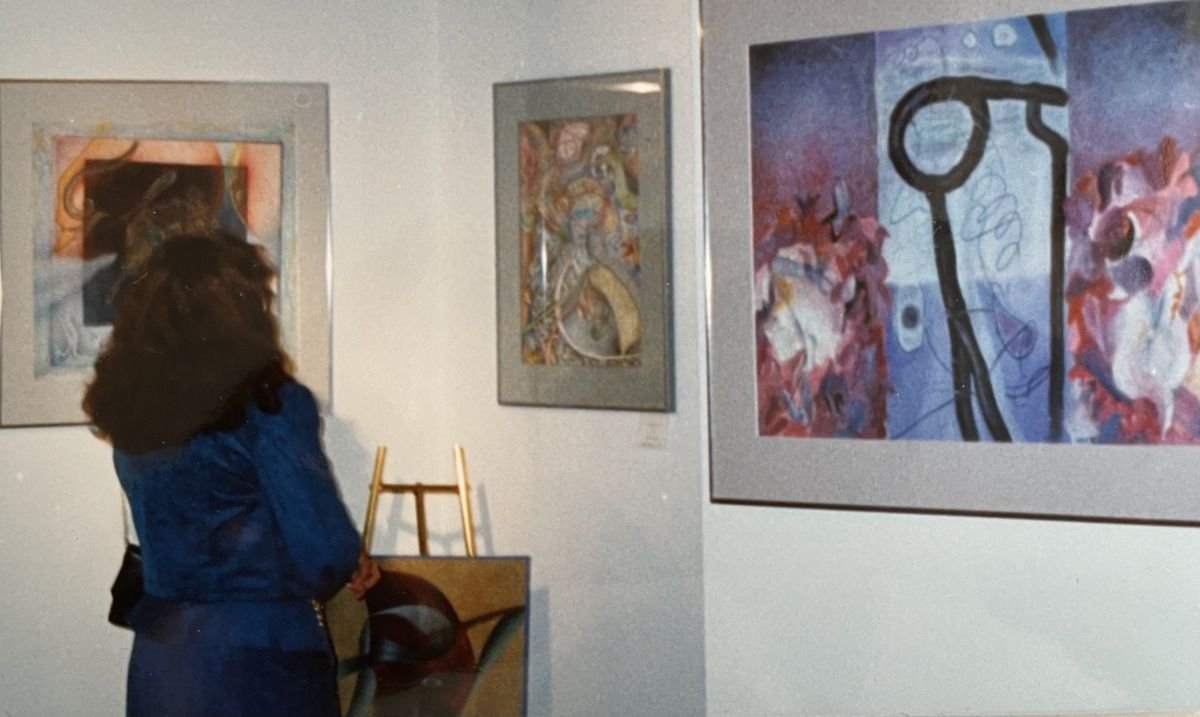
Making Visible the Invisible
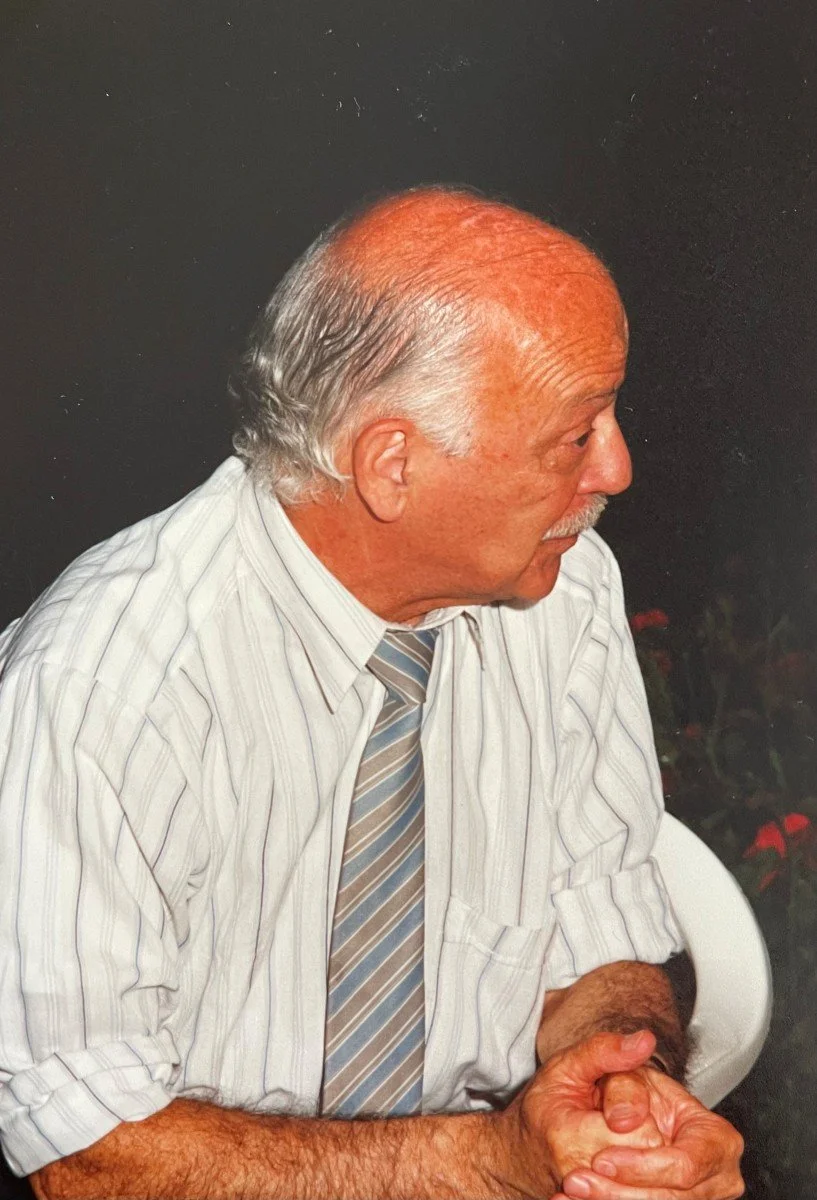
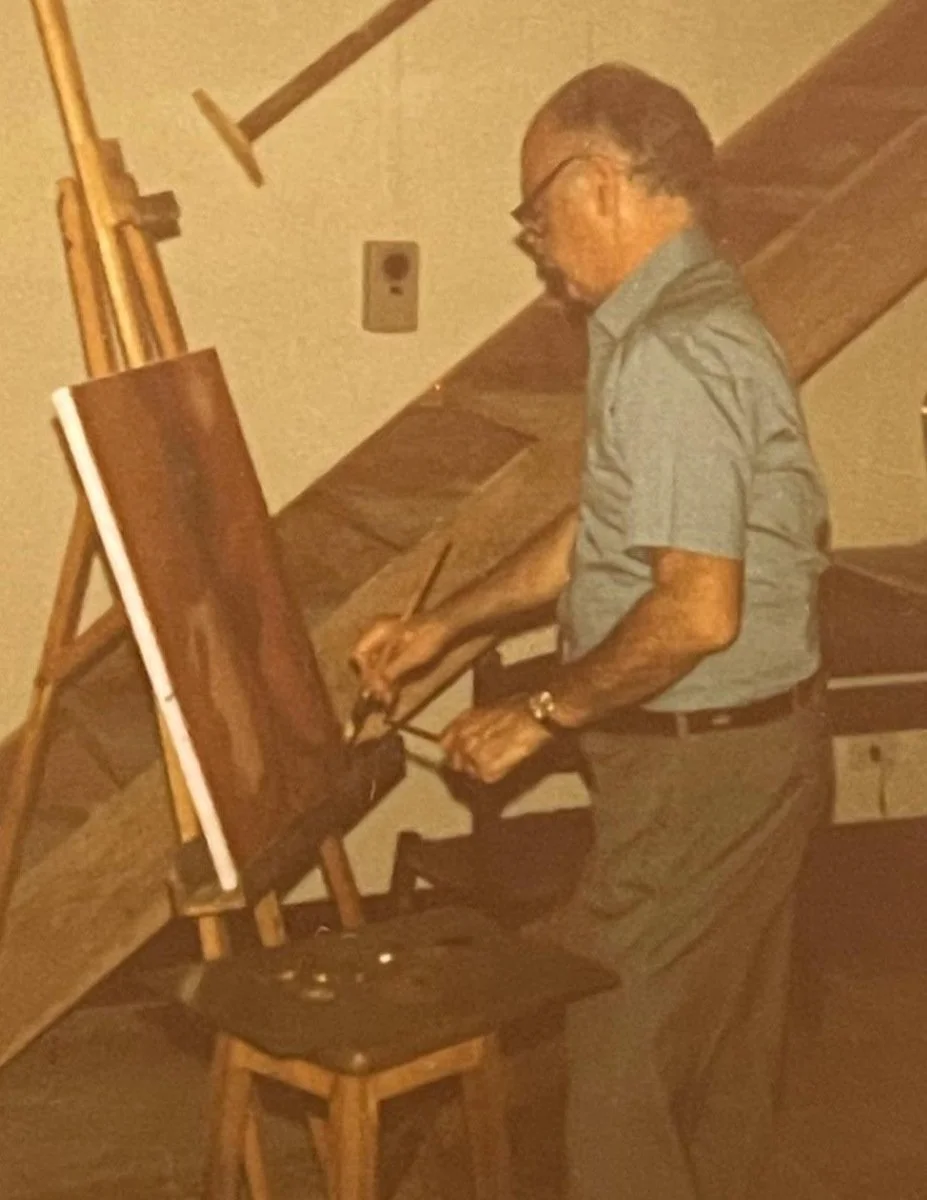
Elías Isgut came to art from 'another world.' He was a civil engineer, used to calculation, precision, and constructive logic. But at some point in his life—already in maturity—that architecture of the visible proved insufficient. There was something more that needed to emerge: another way of inhabiting time, thought, and emotion. Thus, art did not appear as a pastime, but as a vital transformation.
The figure of Elías Isgut is inscribed in a very particular constellation of Argentine artists who, having been engineers, transferred that training to the field of art. Among them is León Ferrari, who after graduating as a civil engineer channeled his technical precision into diagrams, critical writings, and constructions that marked a milestone in the contemporary scene.
In Isgut, engineering is also not relegated to a biographical antecedent: it becomes a matrix of thought. The formal rigor, the calculation of structures, and the attention to the behavior of materials reveal a way of conceiving art where the technical and the sensitive merge. But, unlike Ferrari, who projected his work toward a cultural and political critique of great resonance, Isgut brings the engineering logic to an intimate territory. In his drawings and paintings, each work becomes both structure and metaphor at the same time, constructing invisible worlds where technique reconnects with emotion and memory.
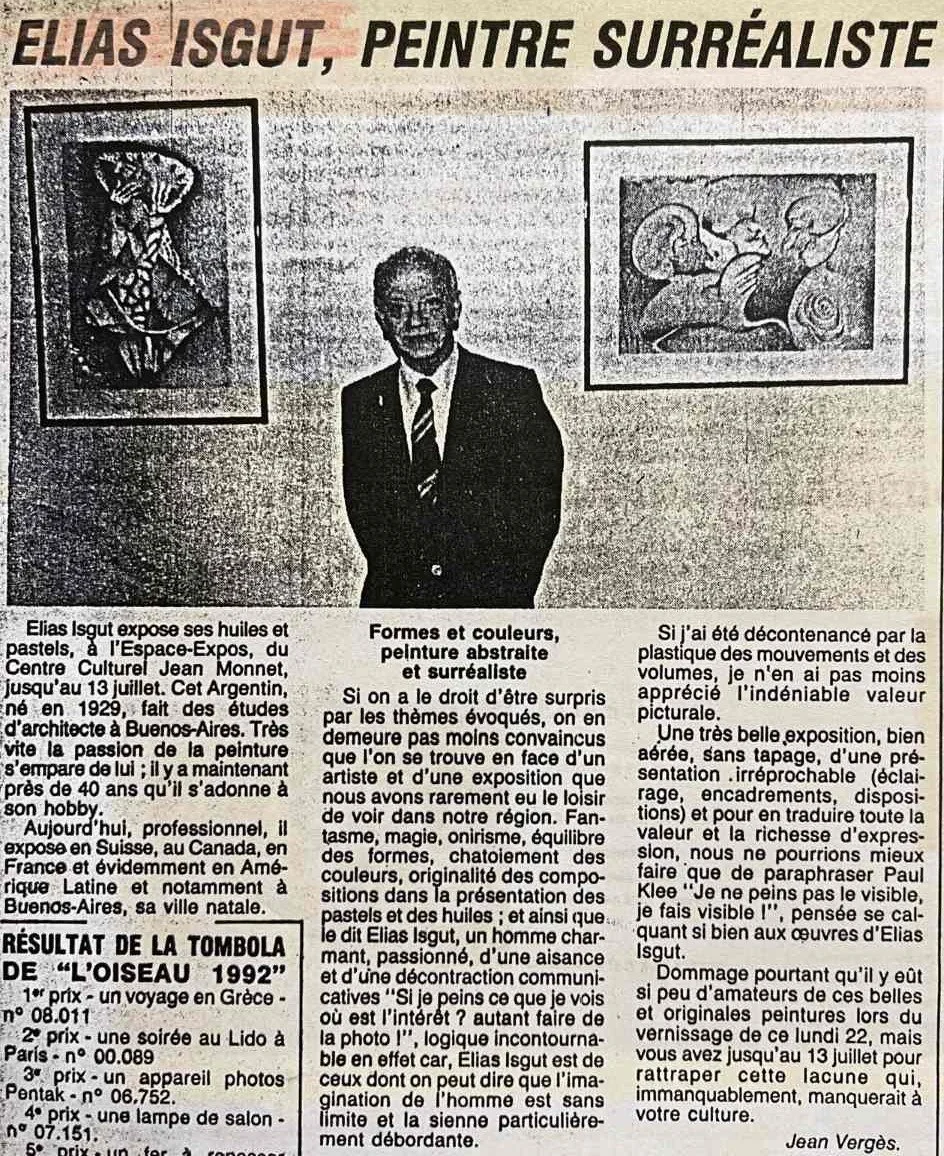
Inspired by Paul Klee—who stated that art does not represent the visible, but makes the invisible visible—Isgut found in drawing and color a way to express the ungraspable: moving forms, enigmatic characters, internal structures. His work, developed between the 1980s and the early 21st century, traces a deep and silent path around subjectivity, imagination, and memory.
His first series, focused on the outline of the human head, worked like interior maps: thoughts, tensions, and emotions compressed onto a surface of paper. Then came the colors, the abandonment of the boundary, the free deployment of figures that defy name and category. In that transition, one can also perceive the passage from an artist still contained by his previous training to one who allows himself to explore, deform, and play.
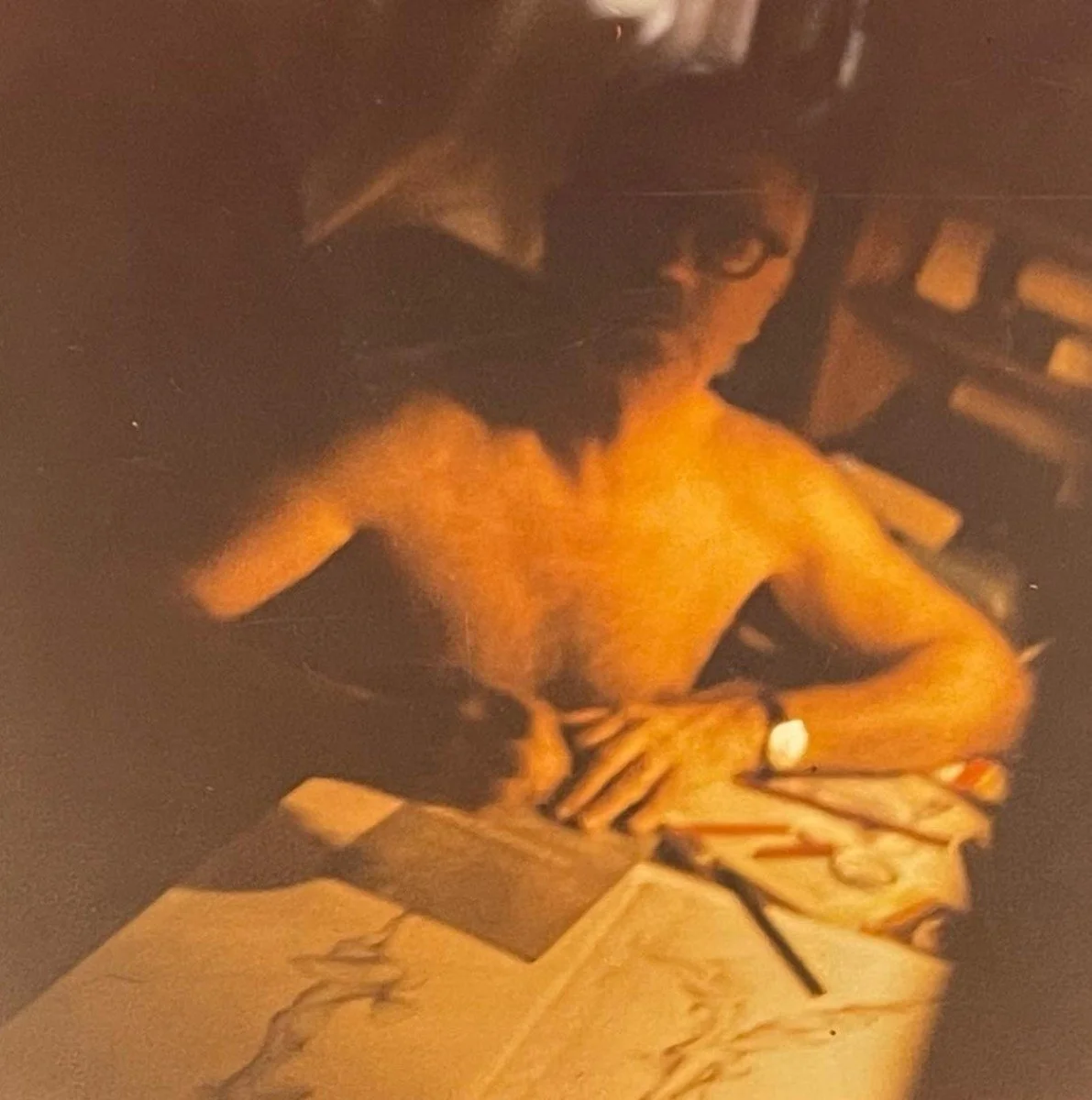
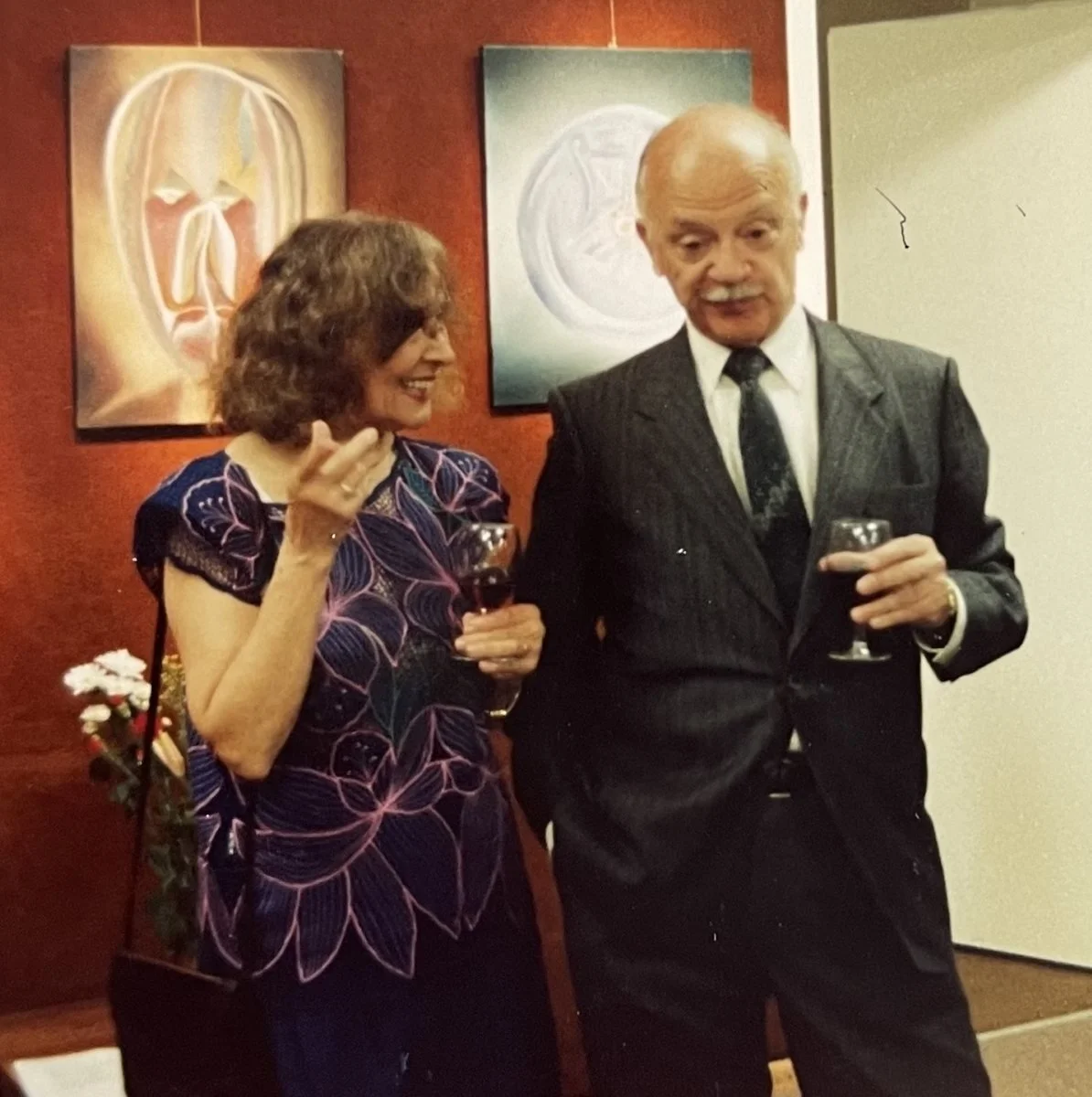
Isgut worked with colored pencils, oil, paper, cardboard. He was not interested in fashions or the market. His work grew in intimacy, in shared studios, in the solitude of small apartments, in cities where he did not always feel part of. He exhibited in Buenos Aires, Geneva, New York, and Toronto, but his production was never of a spectacular nature, rather of the insistent kind: returning to work, insisting on the gesture, finding meaning in the minimal.
Elías was a self-taught artist, yes, but also a profoundly studious one. The traces of Klee, Miró, Matta, Lam, Pollock, or Chab resonate in his forms, without turning into imitations. His was a patient search, sometimes obsessive, always honest. And, above all, silent. Looking at his works is hearing a voice that did not seek to impose itself, but to say something true. A gesture that, through art, continued to build not material structures this time but invisible worlds.
His Life
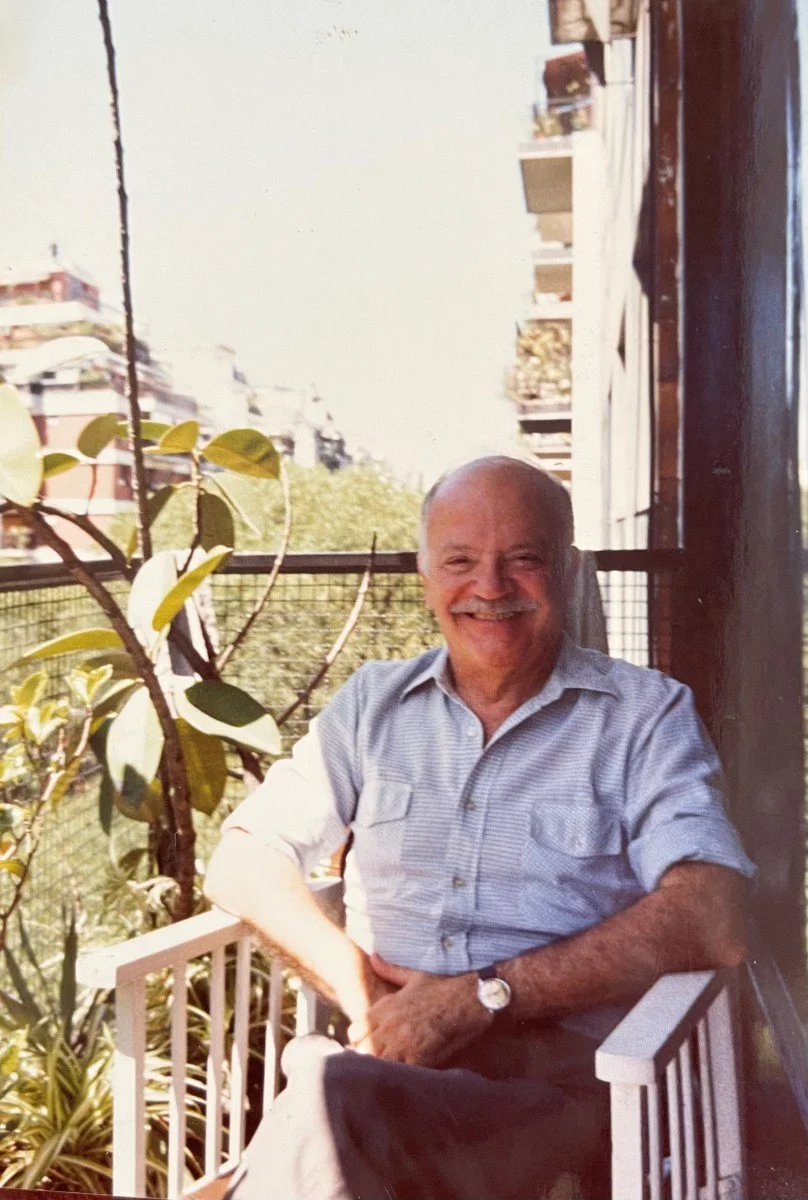
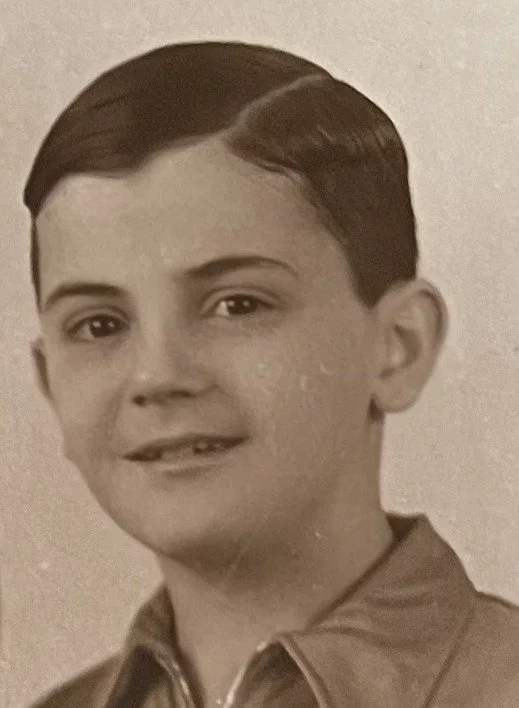
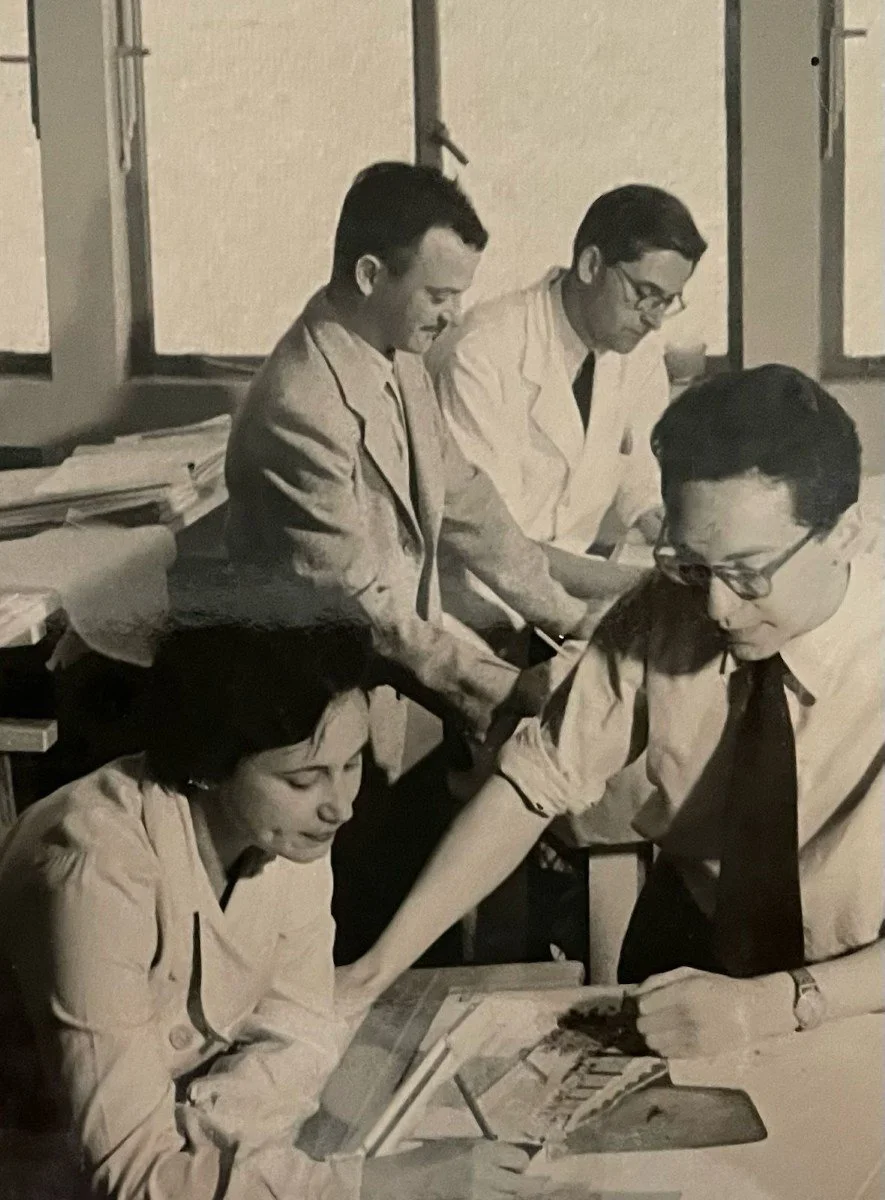
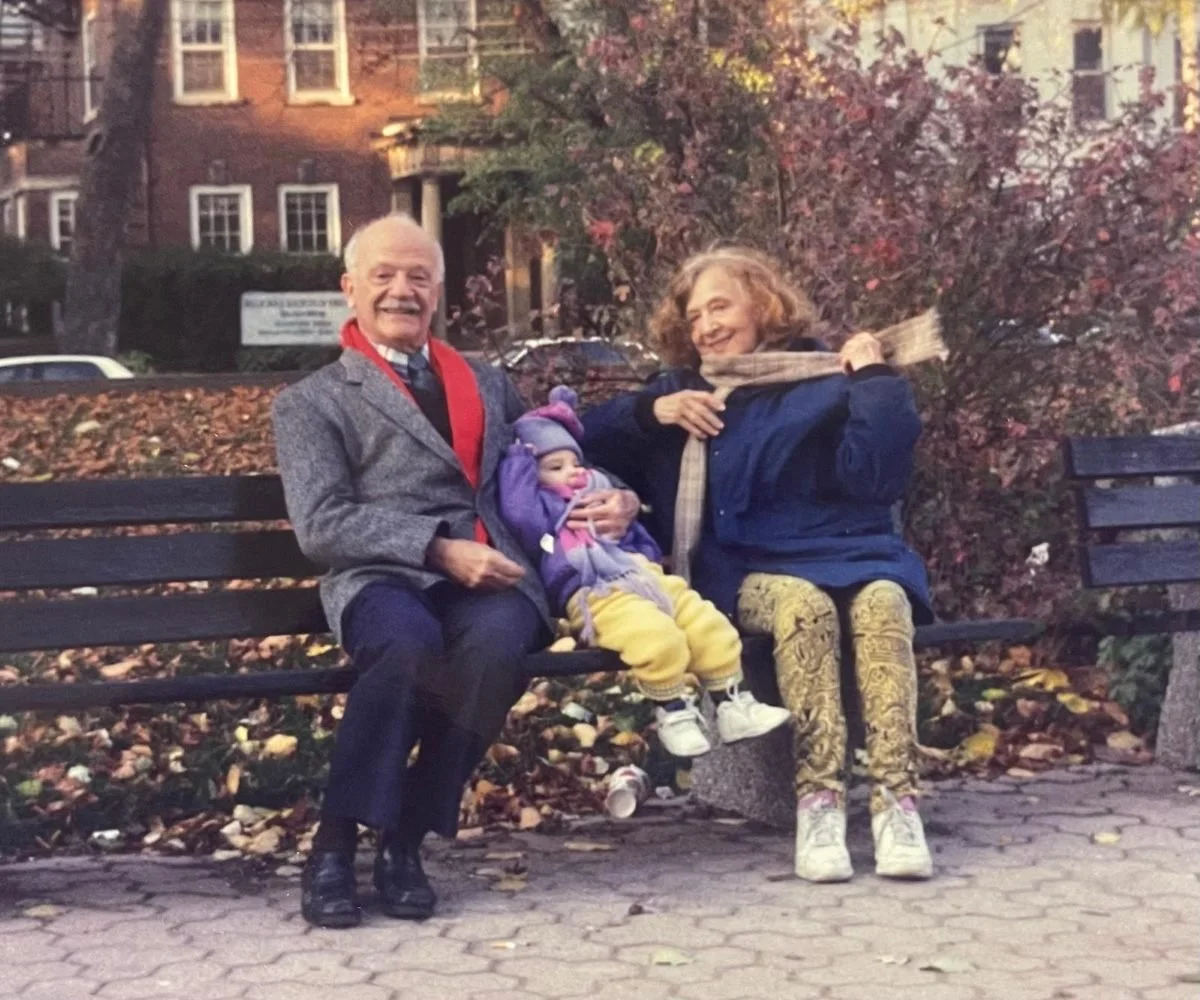
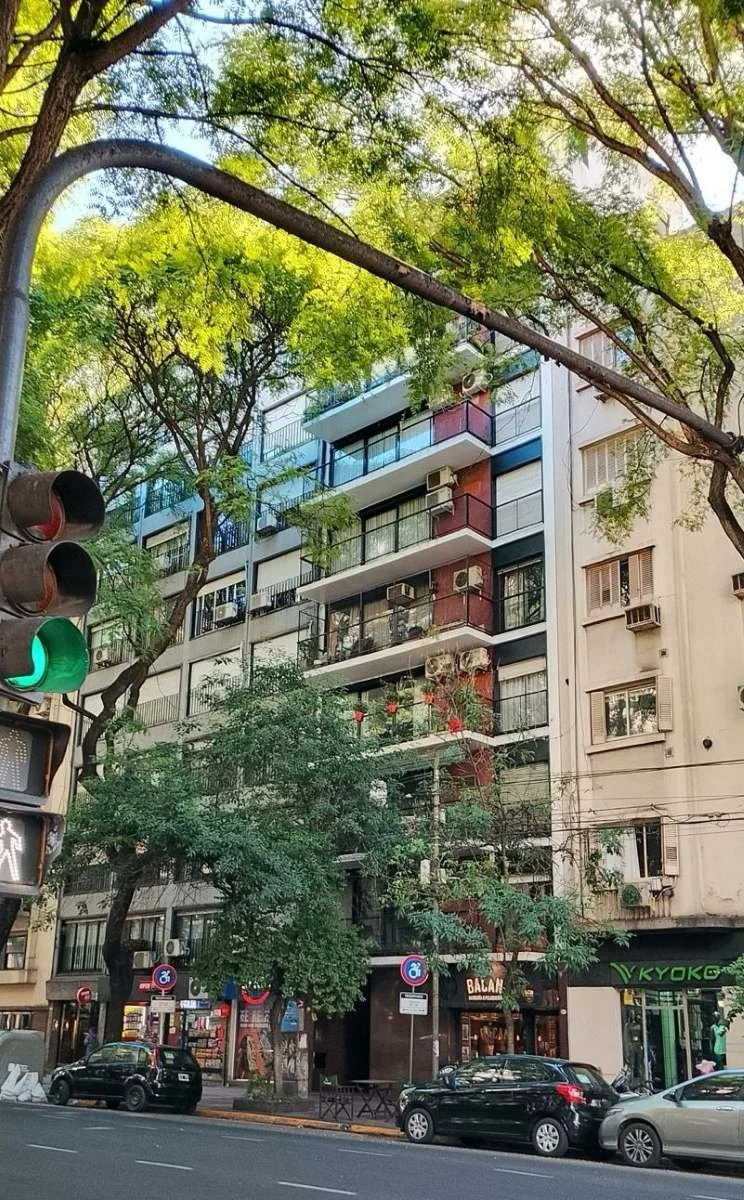
Elías Isgut was born in Buenos Aires in 1923, into a family of Jewish immigrants from Ukraine. His childhood and youth took place in a home marked by the memory of exile and constant work. He trained as a civil engineer and dedicated himself for decades to the design, planning, and supervision of construction projects, standing out for his commitment, attention to detail, and strong work ethic. He actively participated in the construction of housing during a period of economic growth in Argentina, in the 1960s and 1970s, before the economic crisis of the 1980s severely affected the industry.
In the 1970s, and especially after a trip to Europe in 1975, he began to take an interest in art, first as an amateur and later as a vocational practice. The economic crisis of 1982, combined with the wear of years of professional activity, led him to a radical change: he decided to dedicate himself fully to art, even going so far as to sell his apartment to support that choice. In 1983, at the age of 60, he held his first solo exhibition.
At the end of the 90s, he settled in Toronto with his wife, where he spent his last years with his family, and continued producing art until 2011. He passed away in 2015.
His Work
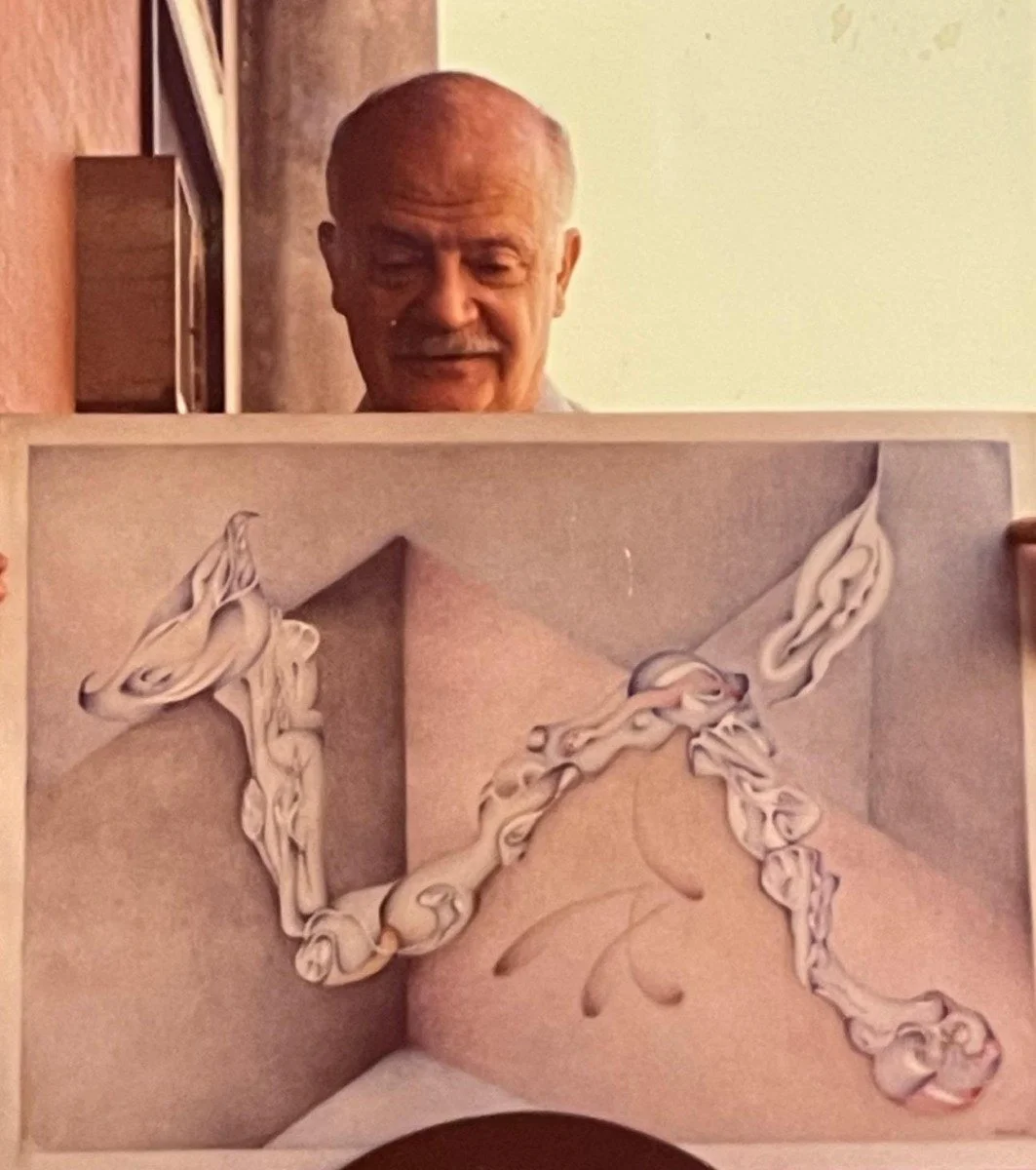
The work of Elías Isgut is characterized by constant evolution, from his first black pencil drawings to complex compositions in colored pencil, oil, and mixed techniques. His first recognized series —The Heads— featured figures that contained thoughts and emotions. Over time, he abandoned defined outlines to give rise to freer and more dynamic forms, sometimes figurative, which he himself called “characters.”
His works lie between the abstract and the symbolic, with a strong presence of color, space, and intuition as the creative driving force. Although his training as an engineer seemed to suggest a geometric and rational path, from the beginning he chose a different route: an organic, sensitive, and subjective language in which forms are freed from structure to become an aesthetic and emotional experience.
Paul Klee was his most important reference: he adopted as a guide the idea that 'art does not represent the visible, but makes the invisible visible.' In Argentina, he studied for five years in the workshop of the great surrealist artist Víctor Chab, a key figure in his training.
He exhibited in Buenos Aires, Geneva, New York, and Toronto. Some of his final works stand out for their formal synthesis, their humor, and their emotional depth. Art was a vital transformation for Elías Isgut: beginning an artistic career in maturity allowed him to reconnect with himself, change his relationship with everyday life, and get closer to his family. He was a silent, meticulous artist who found in creative work a path to personal fulfillment.
In his life, Elías Isgut built homes, images, and affections. Between reason and intuition, he left a legacy that his family today rescues and shares, so that his voice continues to live beyond time.
Solo Exhibitions
1983 - Caffé Paris, Lomas de Zamora, Argentina
1985 - Universidad de Buenos Aires, Buenos Aires, Argentina
1985 - Galería Paine, Buenos Aires, Argentina
1987 - Fundación Banco Mayo, Buenos Aires, Argentina
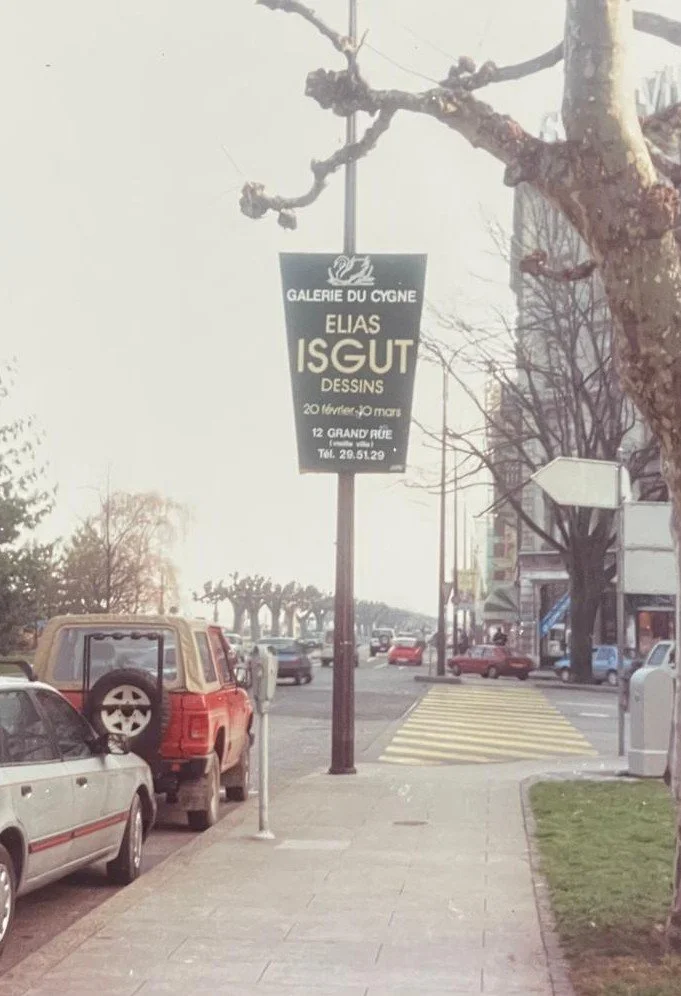
1990 - Galerie du Cygne, Geneva, Switzerland
1991 - Embajada de España, Geneva, Switzerland
1992 - Centre Culturel Jean Monnet, St. Genis-Pouilly, France
1993 - Consulate of Argentina, Toronto, Canada
1994 - Galerie La Palette, Geneva, Switzerland
Selected Collective Exhibitions
1982 - Galería Nueva Manufacta, Buenos Aires, Argentina
1983 - Galería Espacio Unido, Punta del Este, Uruguay
1984 - 49° Salón de Otoño, Asociación Argentina de Artistas Plásticos, Buenos Aires, Argentina
1984 - Tres Jóvenes Artistas, Banco de Valores, Buenos Aires, Argentina
1984 - Derechos Humanos, Centro Cultural San Martín, Buenos Aires, Argentina
1985 - 50° Salón de Otoño, Asociación Argentina de Artistas Plásticos, Buenos Aires, Argentina
1985 - Pequeño Formato, Asociación Argentina de Artistas Plásticos, Buenos Aires, Argentina
1985 - Derechos Humanos, Casa de Castagnino, Buenos Aires, Argentina
1986 - Nunca Más, Asociación Latinoamericana de Artistas Plásticos, Buenos Aires, Argentina
1987 - Galería Sur, Punta del Este, Uruguay
1987 - Salón del Poema Ilustrado, Sheltown Hotel, Buenos Aires
1987 - Salón de Primavera, Asociación Latinoamericana de Artistas Plásticos, Buenos Aires, Argentina
1988 - Salón Arte y Vanguardia, Buenos Aires, Argentina
1990 - Discovery 4, Toronto, Canada
1991 - United Nations, Geneva, Switzerland
1991 - Les Acteurs de la Conquette, Fundación Simón Patiño, Geneva, Switzerland
1993 - Argentinian Artists in Toronto, Ontario Design Centre, Toronto, Canada
1995 - Cono Sur Art Exhibit, Harbourfront Centre, Toronto, Canada
1997 - Galería Sur, Punta del Este, Uruguay
2000 - So Hyun Gallery, New York City, United States